Read a sample: 1. A Hurricane Plan That Fits Your Household
A hurricane plan begins with a few questions that are easier to answer on an ordinary afternoon than in the middle of a warning: Where would we go? How would we get there? Who needs help? What would make us leave earlier than our neighbors?
The answers do not have to fit on a color-coded wall chart, and they do not require a garage full of new equipment. They do need to fit the people, animals, home, transportation and resources you actually have. A plan for a renter who relies on public transportation will look different from one for a family with two cars. A household caring for someone who needs electricity for medical equipment has different timing concerns from a household that can pack and leave quickly.
The goal is not to predict exactly what the next storm will do. It is to make useful decisions while there is still time to act.
If you already have an emergency kit, a contact list or a basic family plan, keep them. Hurricane preparation builds on those foundations. You may need to add a destination, protect a few important records, learn your evacuation zone or make a transportation arrangement. You do not need to start over simply because the hazard has a name.
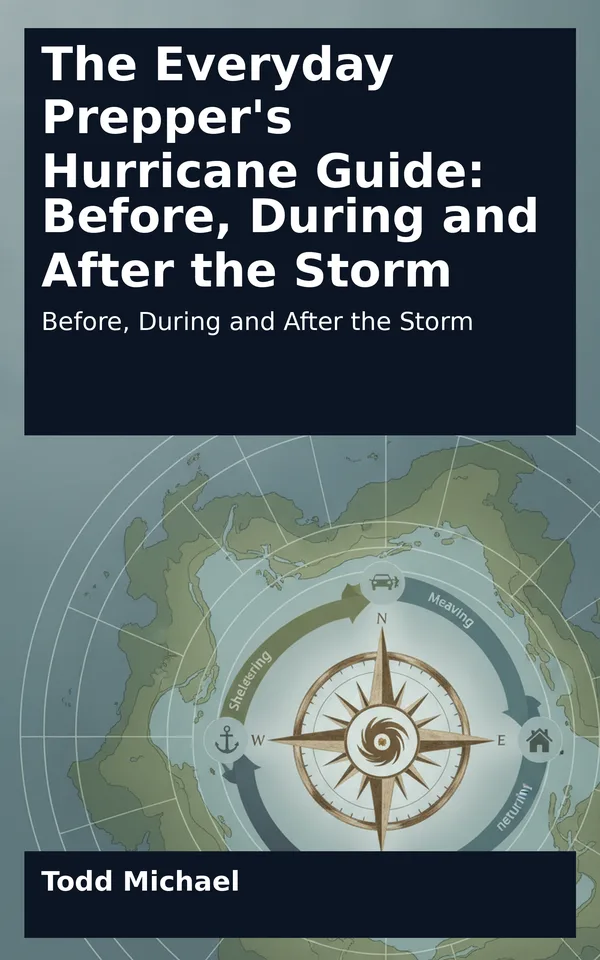
A hurricane can affect a household long before strong wind arrives and long after the rain stops. Organizing your plan around before, during and after helps you prepare for the whole event instead of concentrating only on the storm’s arrival.
Before the storm, learn your local risks, decide how you will receive official information, identify places you could go and prepare your home and supplies. When a storm threatens, this stage becomes more active: monitor current forecasts and local instructions, check your destination, secure what you safely can and leave when your plan or officials tell you to do so.
During the storm, follow the instructions that apply to your location. If you have evacuated, stay informed where you are. If local officials say remaining is appropriate and you are sheltering at home, move to a safer interior area as conditions worsen, keep receiving alerts and be ready to respond to changing hazards. An evacuation order is not replaced by a household preference to stay.
After the storm, wait for official reentry guidance before returning to an evacuated area. Conditions may have changed even if your home appears intact from a distance. Your plan should cover how you will communicate, where you might stay if you cannot return, and how you will begin documenting damage and seeking help.
These stages overlap. You may be preparing to leave while a neighboring area is already experiencing hazardous weather. You may be arranging a place to sleep while waiting for permission to return. Treat the framework as a way to organize decisions, not as a rigid schedule.
Before making a shopping list, take a brief inventory of your circumstances. Include everyone who depends on your household, even if they do not live with you full-time. A parent across town, a child who stays with you on weekends or a neighbor who relies on you for a ride may affect when you need to act.
Consider these questions:
- People: Who lives with you, visits regularly or may need your help? Who might be away at work or school when a storm threatens?
- Health and access: Does anyone need medication, medical equipment, mobility assistance, accessible transportation, communication support or a dependable source of electricity?
- Animals: Which pets, service animals or other animals must be included? What transport, supplies and destination arrangements do they require?
- Transportation: Do you have a reliable vehicle and driver? If not, what local assistance or alternative transportation might be available, and how would you request it?
- Home: Do you own or rent? Are there stairs, shared exits, building rules or physical features that could complicate preparation or departure?
- Resources: How much room do you have for supplies? What expenses could make evacuation difficult? Who could offer a ride, a place to stay or help with preparation?
Write down the answers that affect a decision. “Mom needs help” is a useful observation, but “Call Mom before making our own departure decision; confirm whether she has transportation” is a more useful instruction.
Be candid about limits without treating them as failures. If you cannot install shutters, identify what you can do, such as asking the landlord about the building’s protection plan and making an early departure arrangement. If you cannot store much water or food, use the space you have thoughtfully and identify where you could stay if an extended outage would make your home unworkable.
During a stressful event, it is easy for each person to assume someone else has handled an important task. Assigning responsibilities ahead of time prevents that gap.
One person might monitor official alerts and tell the rest of the household when conditions change. Another might confirm the destination and transportation. Someone else could gather medications and essential records, prepare animal supplies or help a child pack a familiar comfort item.
Assignments should match people’s abilities and circumstances. A teenager may be able to charge devices, gather pet carriers and share updates with relatives. A younger child might practice putting shoes and a small comfort item in the same place. An adult who works far from home may not be…