Business, AI & Entrepreneurship
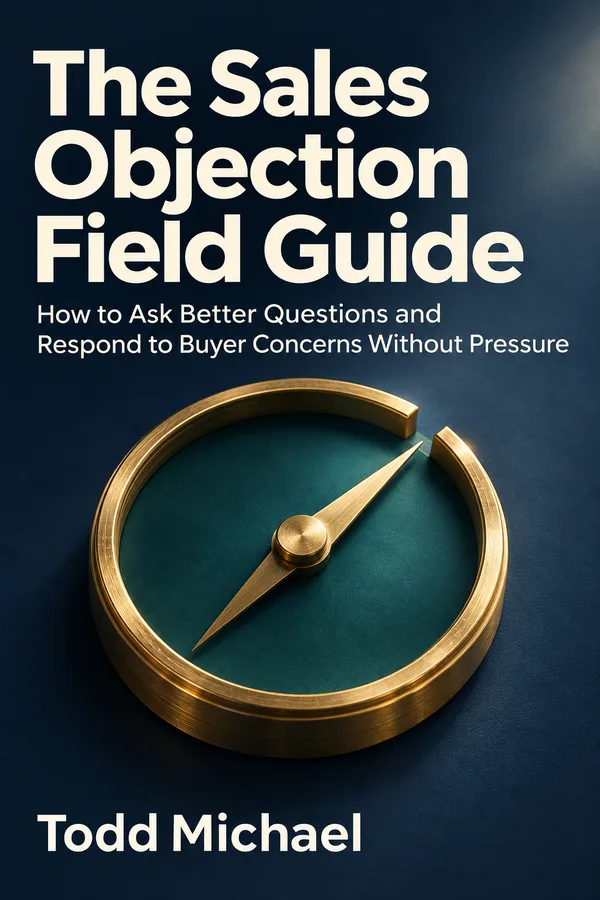
The Sales Objection Field Guide
How to Ask Better Questions and Respond to Buyer Concerns Without Pressure
by Todd Michael
Available now“It's too expensive.” “We need more time.” “We're looking at another proposal.”
When a buyer raises an objection, the next words out of your mouth can either open the conversation or shut it down. The Sales Objection Field Guide shows you how to slow down, find out what the buyer means, and respond without pressure.
If you've searched for “sales how to handle objections,” this practical guide gives you more than a list of comeback lines. You'll learn to tell a request for information from a genuine concern, choose follow-up questions that invite honest answers, and address price, timing, competing proposals, and requests to postpone.
Through realistic examples, conversation breakdowns, and short practice exercises, you'll build the judgment to know when to clarify, when to offer information, and when to step back. The goal isn't to win every exchange—it's to help both sides make an informed decision.
Contents
- 1. What an Objection Can Tell You
- An Objection Is Part of a Decision
- The Cost of Answering the Wrong Concern
- Buyer Autonomy Is Not a Technique
- The Assumptions Sellers Bring Into the Room
- Start With the Words You Have
- A Productive Conversation Can End in No
- What to Do When the Concern Is Real
- Practice the Reframe
- Make Clarity the Next Objective
- 2. Information Request or Genuine Concern?
- 3. Listen Before You Label
- 4. Follow-Up Questions That Help
- 5. Respond Without Applying Pressure
- 6. When the Question Is About Price
- 7. When the Timing Feels Wrong
- 8. When Another Proposal Is in the Mix
- 9. When the Buyer Wants to Postpone
- 10. Concerns That Come in Layers
- 11. Decisions Involving More Than One Person
- 12. Follow-Up That Respects the Buyer
- 13. Practice Through Complete Conversations
- 14. Build Your Personal Field Guide
- Other Books by Todd Michael