Money, Investing & Precious Metals
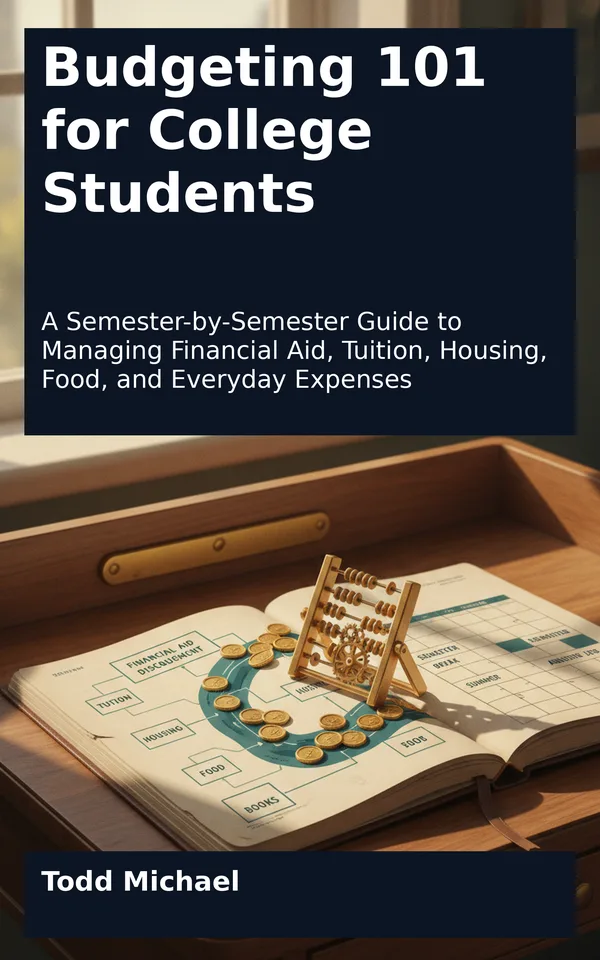
Budgeting 101 for College Students
A Semester-by-Semester Guide to Managing Financial Aid, Tuition, Housing, Food, and Everyday Expenses
by Todd Michael
Available nowA financial aid deposit can look like a windfall—until tuition, rent, books, and groceries start coming due. Budgeting 101 for College Students helps you make a plan for the whole academic year, not just the first week of classes.
Follow realistic examples to map your college calendar, estimate costs, and decide how much of each deposit or paycheck needs to last. Learn the difference between grants and loans, read a student account statement, compare housing and meal options, and prepare for expenses that don't disappear when classes end.
You'll also find practical ways to handle irregular work income, avoid common banking and credit mistakes, and revise your budget when life changes. Whether you live in a dorm, share an apartment, or commute from home, this guide gives you a clear starting point for making informed choices with the money you have.
Contents
- 1. Your College Year in Money
- Think in Terms, Weeks, and Due Dates
- Build Your Money Calendar
- Look for the Gaps
- Two Students, Two Different Calendars
- Separate Known Costs From Open Questions
- Give Yourself Room to Adjust
- Your First Calendar Check
- 2. Find the Real Cost of Attendance
- 3. Understand Your Financial Aid Offer
- 4. Follow the Money Through Disbursement
- 5. Build a Semester Spending Plan
- 6. Choose and Pay for Housing
- 7. Make a Food Plan That Fits
- 8. Prepare for Books, Supplies, and Technology
- 9. Manage Paychecks and Uneven Income
- 10. Banking, Payments, and Credit Basics
- 11. Cover the Costs Between Semesters
- 12. Handle Surprises and Shortfalls
- 13. Review and Reset Your Budget
- 14. Plan Your Next Academic Year
- Start With What Actually Happened
- Put the Next Year on One Calendar
- Renew Aid Without Counting It Too Soon
- Revisit Housing Before You Commit
- Build a Budget for the Whole Enrollment Period
- A Final Worked Example
- Make a Plan for the Unknown
- Your Next-Year Checklist
- Other Books by Todd Michael





